What to Wear Over 50 When You Are Petite: 10 Easy Outfits
By Style Pieces 50 · Updated 2026-11-16
You find a top you love and the sleeves cover your knuckles. The trousers pool around your shoes, the jacket ends at the wrong place and the "regular" cardigan hangs like a robe. When you are petite, the trouble is rarely your taste. It is that most clothes are cut for someone taller. This guide shows where each hem, sleeve and jacket should end on a short frame, how to check it in two minutes, and ten easy outfits that make getting dressed simple.
What petite really means in a shop
According to Wikipedia, a petite size is a standard clothing size designed specifically for women 163 cm (5 ft 4 in) and under.
Wikipedia adds that the category is not based only on height but also takes into account the proportions of a woman's body.
So petite is a cut, not a label for how you look. Petite lines shorten the sleeve, the inseam and the distance from shoulder to waist, so the details land where they should. If you are 5 ft 4 in or under and regular sizes always seem to swallow you, try the petite section first. If you are a little taller but short through the torso or legs, try both.
Measure these four lengths once
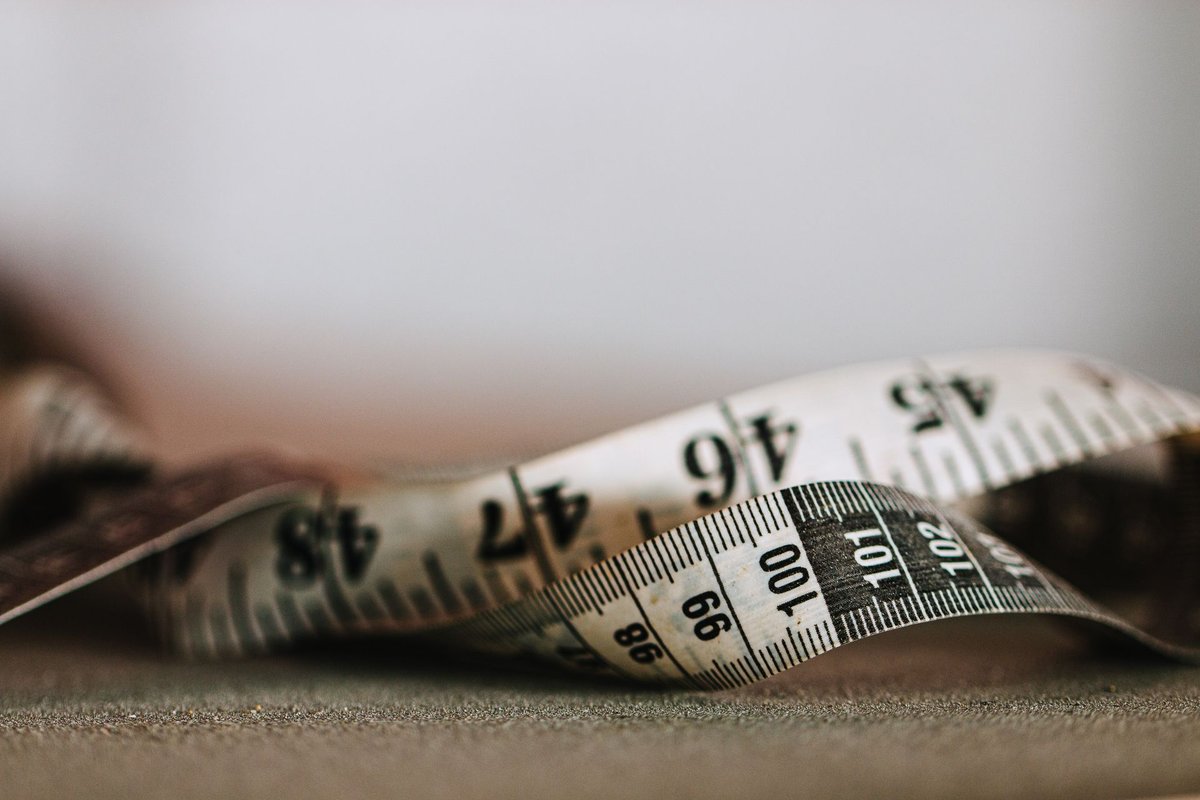
Your measuring tape is the most useful thing you own for shopping, because it works on any brand. Write the numbers on your phone and keep them in one note.
- Shoulder to wrist with your arm relaxed. This tells you which sleeves will work.
- Inside leg from the crotch to the floor, in the shoes you wear most often.
- Back neck to waist. Short-waisted? Look for cropped jackets and tops that end at the hip.
- Waist to knee. This is the skirt length that works for you.
Compare these numbers with the size chart for each piece you want. Wikipedia notes that sizing systems vary based on the country and the type of garment. A size on the tag only tells you so much.
Where every hem and sleeve should end
Use this table when you try something on. It works for most petite frames, and a tailor can fix anything that misses by an inch or two.
| Piece | It should end at | Quick check |
|---|---|---|
| Long sleeves | The wrist bone | Arms down, your watch or bracelet is visible |
| Three-quarter sleeves | Midway between elbow and wrist | Not at the widest part of the forearm |
| Cropped trousers | Just above the ankle bone | Shows a small band of skin or sock |
| Full-length trousers | Grazing the top of the shoe | No fabric folds on the floor |
| Cardigan or tunic | Hip bone to upper thigh | Stops above where the leg is widest |
| Midi skirt | Just below the knee, or at the narrowest part of the calf | Sit down and check it still covers your knees |
| Blazer | At the top of the hip | The buttons sit at your natural waist |
For the sleeves, Wikipedia defines a three-quarter length sleeve as one that extends from the shoulder to a length midway between the elbow and the wrist.
That length is a gift on a petite frame: it never covers your hands, and you can push it up in a second. Also keep an eye on hems. Wikipedia says a typical skirt or pant hem may be 5 to 7.6 cm (2 to 3 in).
That is a useful sign when you shop: most trousers and skirts have a couple of inches of cloth to turn up, so a long leg can be shortened by a tailor. The one exception is a hem with a pattern or a wide trim, which is better bought in petite.
The two-minute petite fit check
- Shoulder seam. It should sit on the edge of your shoulder, not hang below it. A dropped shoulder pushes every other length down.
- Sleeve length. Bend your elbow. The cuff should not cover your hand.
- Sit test. Sit on a chair. Waistbands stay flat, nothing rides up, and the hem of a skirt is where you expect it.
- Reach test. Lift both arms. The top stays at your waist, the jacket does not climb.
- Front view. Look for one clean line from the neck to the shoe. A long cardigan over trousers in the same color family gives that.
10 easy outfits for a short frame
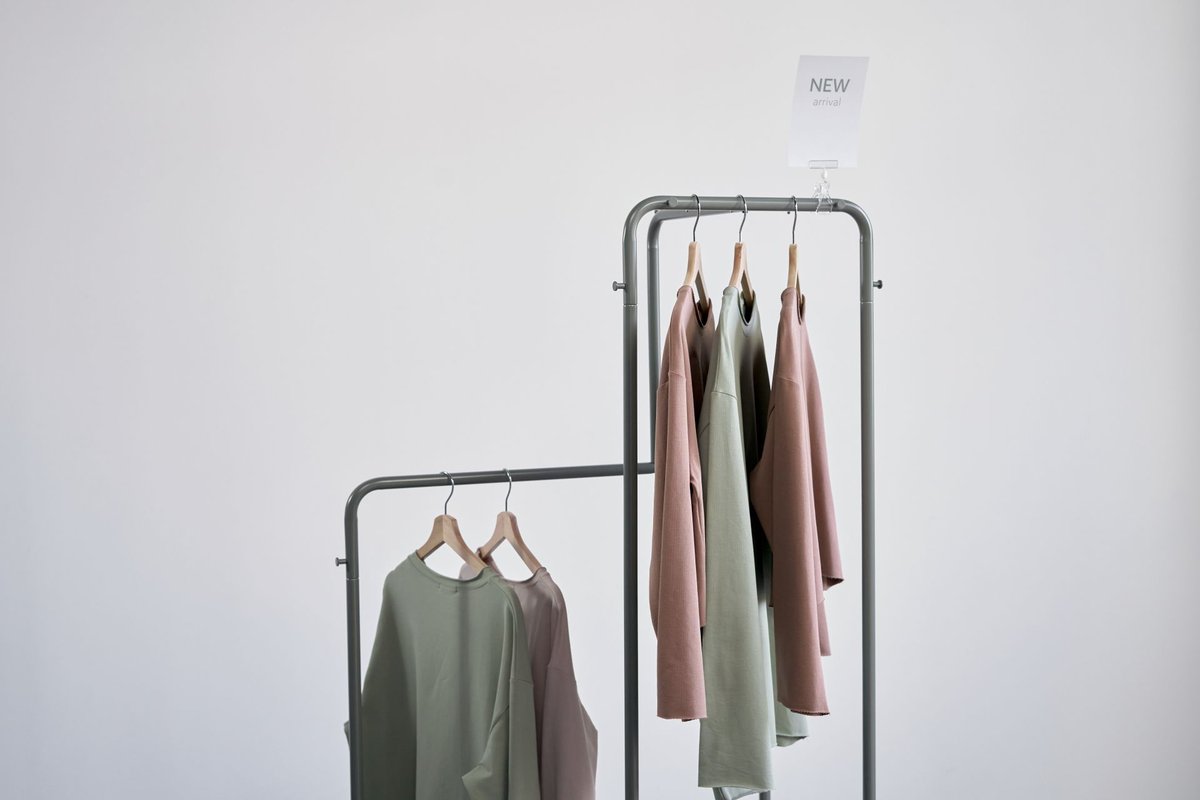
Each formula is a top, a bottom, a layer and a shoe. If you want to see the thinking behind building a closet like this, the closet edit checklist is a good place to start.
- Everyday errands: long-sleeve tee + straight-leg ankle trousers + short cardigan + white sneakers.
- Lunch with friends: fine-knit sweater + same-color pull-on trousers + cropped jacket + ballet flats.
- Church: knit dress ending below the knee + belted cardigan + low-heeled loafers.
- Doctor's visit: soft tee + elastic-waist pants + open cardigan + slip-on shoes you can take off easily.
- Casual Friday: white shirt + dark pants + short blazer + pointed flats.
- Movie night: sweater + straight jeans + hip-length coat + ankle boots with a small heel.
- Weekend walk: striped tee + cropped pants + lightweight jacket + clean sneakers.
- Dinner out: midi skirt in a soft knit + fitted top + short jacket + low block heels.
- Travel: knit top + wide, easy trousers hemmed to the shoe + long cardigan + slip-on sneakers.
- Shopping day: matching top and pants in one color + lightweight scarf + comfortable flats.
Color and proportion in plain terms
You do not need strict rules, only a few habits that keep the eye moving smoothly from your shoulders to your shoes.
- Stay in one color family from top to bottom. A cream sweater with beige trousers and tan flats makes one long line, and a short cardigan in the same family adds a layer without a break.
- Keep the print small. Large patterns can overwhelm a short frame, so choose narrow stripes or small, even prints, and wear them in one piece only.
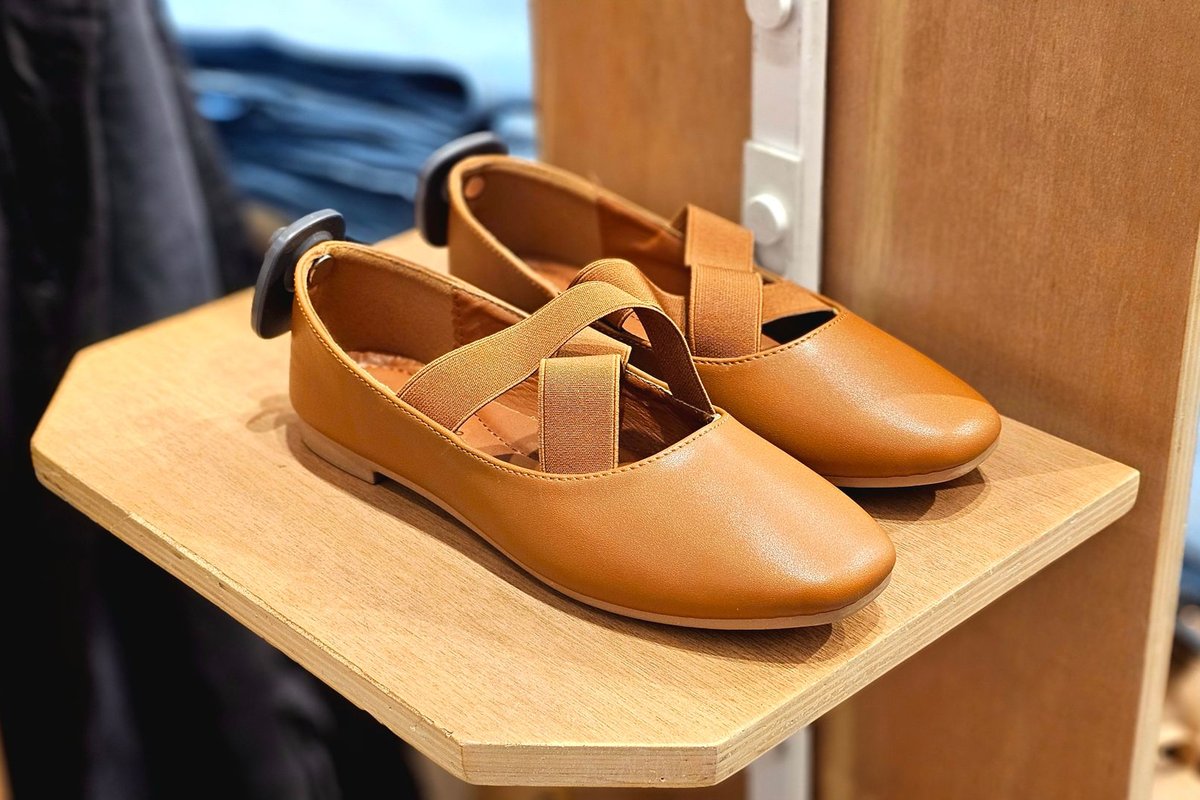
- Let your shoe disappear. A flat or boot close to the trouser color keeps the leg looking continuous.
- Pick a belt that matches the bottom. It marks your waist without cutting the outfit in half.
Where to start shopping
Do not buy ten things. Start with trousers, because pants are where the length problem shows most, and with one jacket. Choose a trouser that has a visible hem allowance and a soft waist. Then add one top that is short enough to wear untucked and still show where your waist is.

If you need a starting list, the size 16 essentials guide covers the first ten buys with fit checks you can adapt to your height.
Mistakes to avoid
- Buying long and planning to hem later. You will not get around to it. Hem the day you buy.
- Choosing oversized pieces to stay comfortable. Comfort comes from soft fabric and good length, not from extra width.
- Skipping the tailor. Shortening sleeves and trousers is the cheapest repair there is.
- Wearing a long, bulky layer over a long, wide pant. Balance a wide leg with a shorter top.
- Heavy ankle straps and chunky soles that cut the leg. Pick shoes that match your trouser color or are close to your skin tone.
More everyday ideas are on the everyday outfits page, and the petite fall guide takes these lengths into coats and layers.
Your next step
Take your measuring tape, write down the four lengths in your phone, and check one pair of trousers and one cardigan you already own against the table. Whatever misses by an inch or two is your first tailor trip, and a better fit costs less than a new outfit.