Over 50 Wardrobe Essentials for Size 16: What to Buy First
By Style Pieces 50 · Updated 2026-11-16
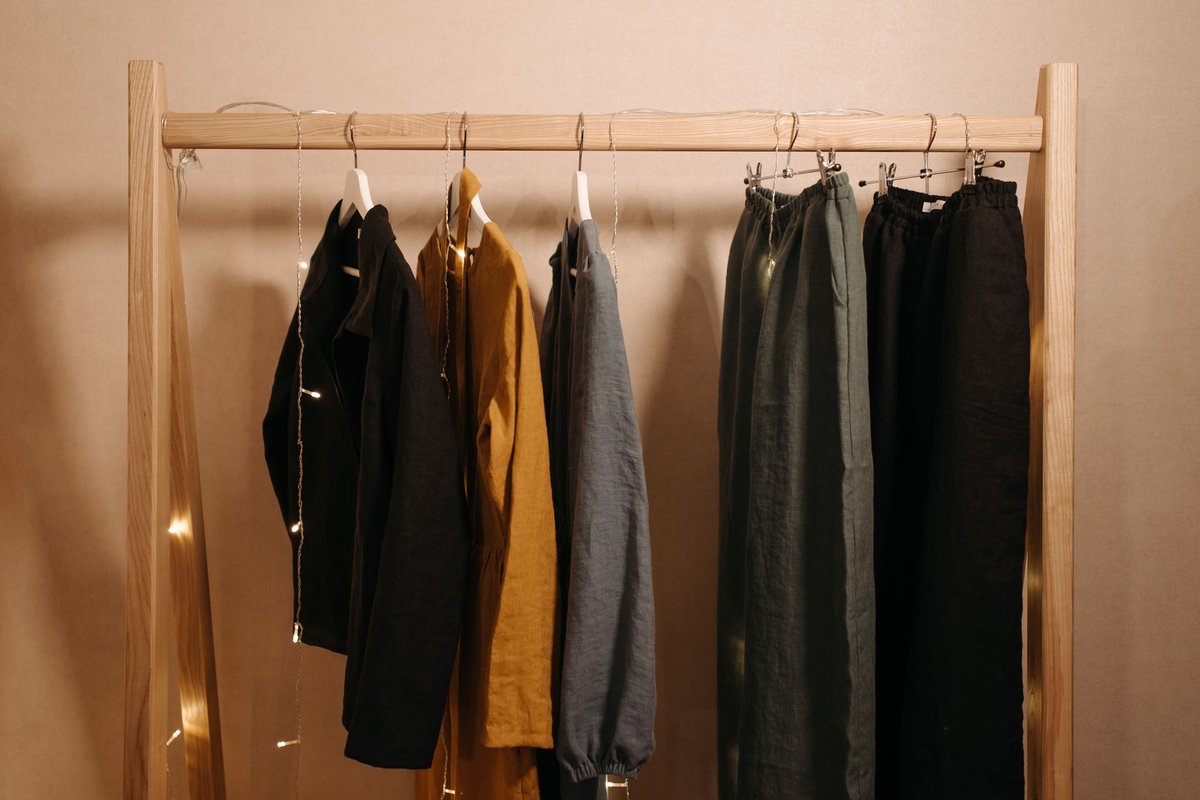
You are a size 16 on one tag, a 14 on another and an 18 on a third, so every shopping trip starts with doubt. When a closet needs rebuilding, that doubt makes people buy too many things "just in case." This guide fixes the order instead. It shows how to find the numbers that matter, the ten pieces to buy first, and the fit check that tells you in two minutes whether a piece is staying with you or going back to the store.
What "size 16" really tells you
Wikipedia's page on clothing sizes notes that two size 10 dresses from different companies, or even from the same company, may have grossly different dimensions.
Wikipedia adds that ASTM International, a private organization, began publishing its own recommended sizing charts in the 1990s.
In plain words, a recommended chart is a suggestion, and each label chooses whether to follow it. Your 16 is a starting point for the fitting room, not a verdict on the garment.
There is a second source of confusion at your size. According to Wikipedia, which quotes PLUS Model magazine, the fashion industry identifies plus size as sizes 18 and over.
Wikipedia also quotes an industry source that lists plus sizes as 14W to 24W.
So a size 16 sits right on the border. Some shops list you in the regular range, others in the extended range with a W after the number. W cuts are made with more room through the bust, waist and hip, and they are not the same garment as a regular 18. Try both in any brand that offers both, and keep the one that fits your widest part without extra fabric at the shoulders.
Take four numbers once, then shop from them
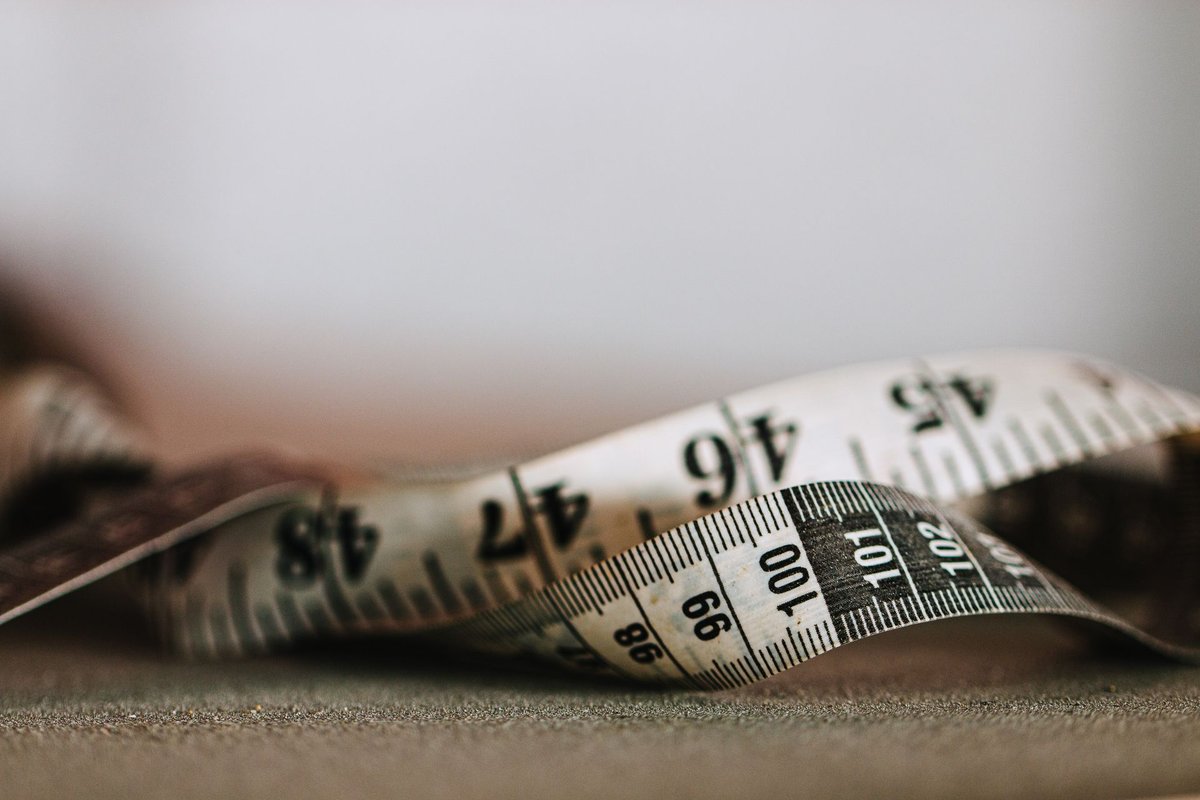
A tape measure beats a tag. Measure over thin clothing, standing relaxed, and write the numbers on a note in your phone.
- Bust: around the fullest part, with the tape level across the back.
- Waist: around the narrowest part of your middle, or where your trousers sit if that is easier to find.
- Hip: around the fullest part, usually a hand-width below the top of your thighs.
- Shoulder to wrist: from the bone at the top of the arm to the wrist bone, for sleeve length.
Hold the numbers up to the size chart of each brand before you order. If your hip falls in one size and your bust in another, buy the larger size for that piece and plan a small alteration.
The first ten buys, in order
Buy in this order. The first pieces are the ones you will wear four days a week, and they are also the hardest to fit, so they get your attention while you are still fresh and your budget is untouched. The table shows what to check on each one.
| Buy | Piece | Fit check before you pay |
|---|---|---|
| 1 | Soft-waist trousers in black or navy | Sit, then stand. The waistband should not leave a line and the back should not gap. |
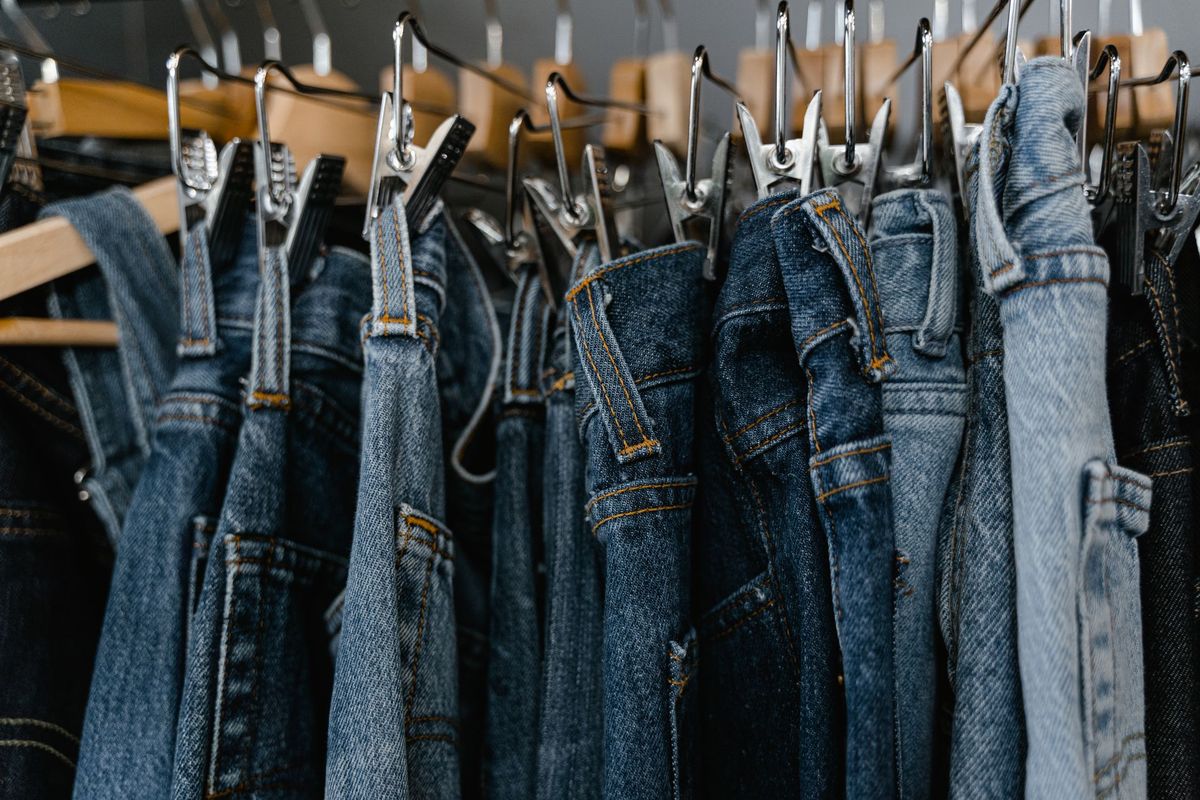
| 2 | Dark straight-leg jeans with some stretch | Squat once. If they slide down, the rise is too short for you. |
| 3 | Long-sleeve tee in a medium-weight knit | Raise both arms. The hem should stay below your waistband. |
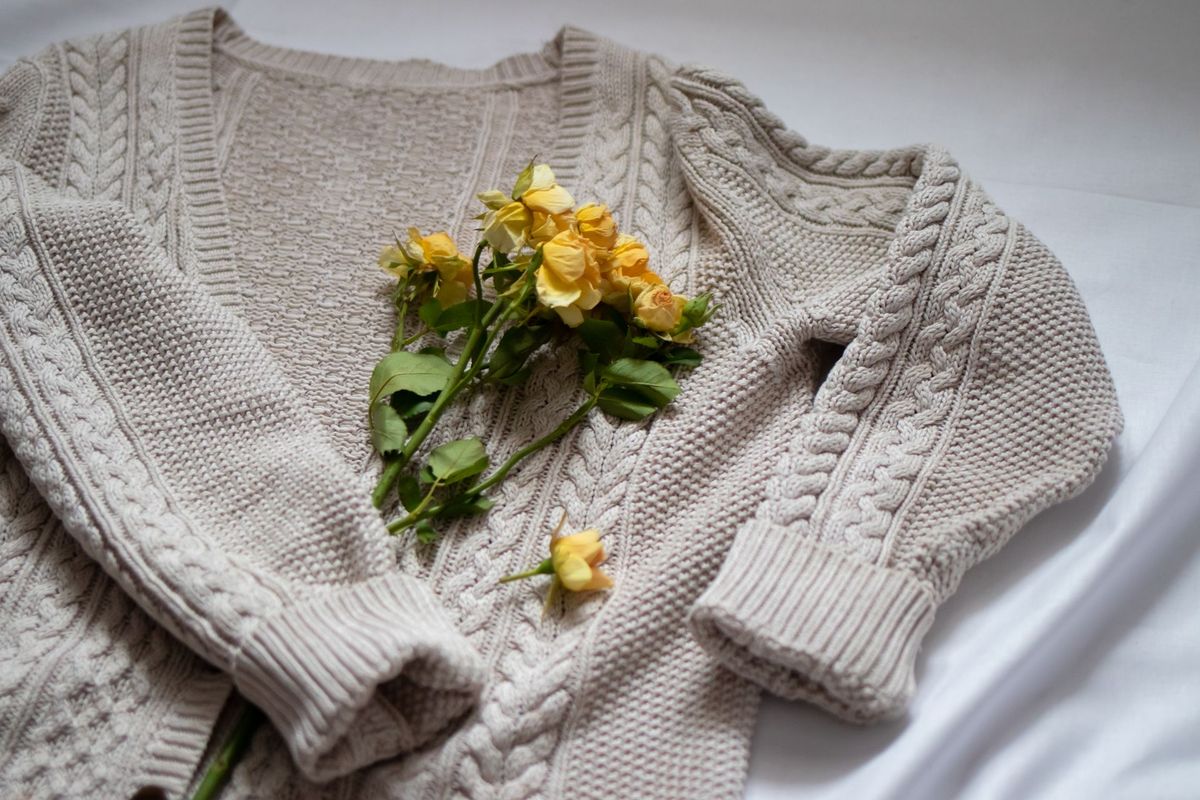
| 4 | Cardigan that reaches past the hip | Cross your arms. The upper arm should not feel pinched. |
| 5 | Fine-knit V-neck sweater | The neckline should lie flat and the sleeves should end at the wrist bone. |
| 6 | Soft, unlined blazer | Shoulder seam on the bone, and the front closes without pulling. |
| 7 | Button-up shirt with a little stretch | Hug yourself. No gaping buttons at the bust. |
| 8 | Knit dress or midi skirt | Sit on a chair. The fabric should not ride up or cling. |
| 9 | Cushioned shoes (sneakers or loafers) | Walk the aisle twice. Try them in the afternoon, when feet are largest. |
| 10 | Long coat, roomy enough for a sweater | Put on your thickest knit under it. You should still reach forward easily. |
That list covers a full week. If you want to see how the same kind of pieces grow into a complete set, the 14-piece capsule wardrobe is the next stop.
Where the cut matters more than the size
Two garments with the same number can feel very different because of how they are cut. Look at these features first.
Waistbands and rise
A wide, flat elastic or a smooth pull-on waist asks nothing of you when you sit. A mid or high rise stays put when you bend, and a low rise usually does not. If a waistband gaps at the back but fits at the hip, a tailor can take it in, and that one fix turns a "close" pair into a "perfect" one.
Fabric with give
Choose knits, or woven fabrics with a little stretch, for anything that touches the middle of the body. A fabric with give moves with you when you reach into the back seat or lift a bag. A stiff fabric forces you to size up, and then the shoulders and legs are too big.
Where the length ends
Tops that end at the hip or a little below sit smoothly over trousers. A top that stops exactly at the widest part of the hip tends to ride up. A longer layer, such as a cardigan, a jacket or a long overshirt, gives a smooth line from shoulder to thigh.
A two-minute fit check for the fitting room
Carry this short routine into every fitting room. It takes less time than reading the tag.
- Sit down for ten seconds. Nothing should pinch, dig or ride up.
- Reach forward as if you were taking a plate from a high shelf. The sleeves and back seam should not pull.
- Turn to the side mirror. Look for diagonal wrinkles, which mean the garment is too small, and loose folds at the shoulders, which mean it is too big.
- Check the ends. Sleeves reach the wrist bone, hems fall where you want them, and nothing shows below a short top.
- Walk. Walk a few steps and see whether anything rubs at the thigh or shifts at the waist.
If a piece passes four of five, ask whether the fifth can be fixed. Sleeves and hems are quick alterations. Shoulders are not, so a jacket that is wrong at the shoulders goes back.
Outfits from the first ten pieces
Everything in the list mixes with everything else when you keep to a navy, black and cream base. Here are six ways to wear it.
- Errand morning: long-sleeve tee + dark jeans + cardigan + cushioned sneakers.
- Lunch with a friend: V-neck sweater + soft-waist trousers + loafers.
- A day that needs to look sharp: button-up shirt + blazer + soft-waist trousers + loafers.
- Church or a family dinner: knit dress + cardigan + loafers.
- Cold market day: long-sleeve tee + sweater + dark jeans + long coat + sneakers.
- Travel day: tee + cardigan + soft-waist trousers + sneakers.
If a tummy is the main fit worry, the guide to outfits for women over 50 with a tummy covers seven shapes that skim, not cling. If you wear a larger size than 16, the plus-size capsule guide goes further into shopping by measurements.
Mistakes to avoid when you rebuild
- Buying to a number. Buying a size because it is "your size" in one store leads to a closet of mixed fits.
- Sizing up to fix a tight spot. A tight hip with a loose shoulder means the cut is wrong, not the number.
- Keeping a piece for "when it is altered." Alter it this month or let it go.
- Shopping for the day, not the week. One party dress is not an essential. A pair of trousers you can wear to lunch, church and the doctor is.
- Buying six of the same thing in six colors. Start with one, wear it for two weeks and then decide.
The guide to a closet edit checklist shows what to remove from your current closet while you add the new pieces. The category page for capsule wardrobes lists every guide in this series.
Your next step
Take the four measurements today and save them in your phone. Next time you shop, bring the note and use the fit check on the first piece you try. Buy only the first item on the list and wear it for a week before you buy the second.