Fall Outfits for Petite Women Over 50: Fit Tips and 8 Looks
By Style Pieces 50 · Updated 2026-11-16
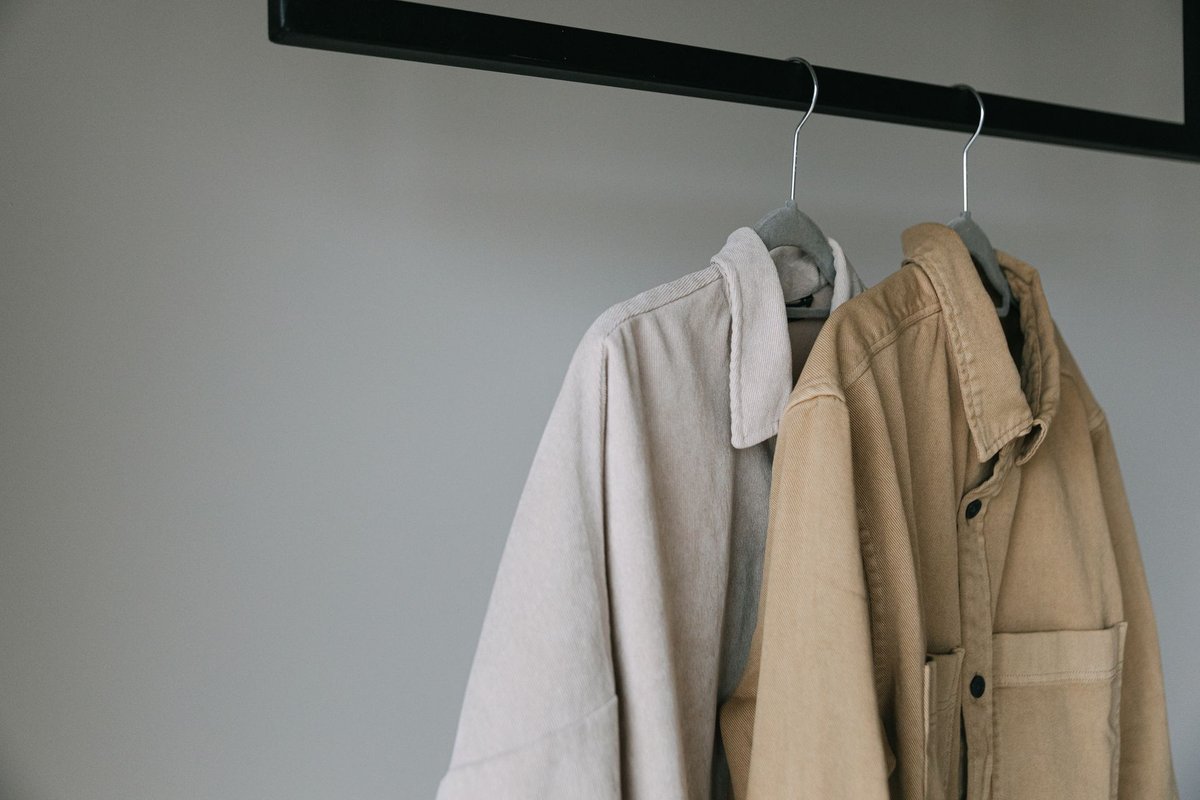
Fall is the season when a short frame gets lost. Coats reach the shins, chunky sweaters balloon at the sleeves, and a scarf wraps up to your ears. Every layer you add is another chance for something to end in the wrong place. The good news is that layering can be a plan, not a pile. Below you will find where coats, sleeves and boots should end when you are petite, a short fit check for the fitting room and eight fall looks you can wear this week.
Layer thin to thick, and keep only one bulky piece
On a petite frame, the problem is rarely warmth. It is volume. Three thick pieces stacked on each other add width in every direction and shorten the line from shoulder to shoe. A simple rule keeps it tidy: one soft, thin layer on the inside, one mid-weight layer, and a single bulky piece, usually the coat.
Wikipedia says that wool fabrics hold air, which causes the fabric to retain heat.
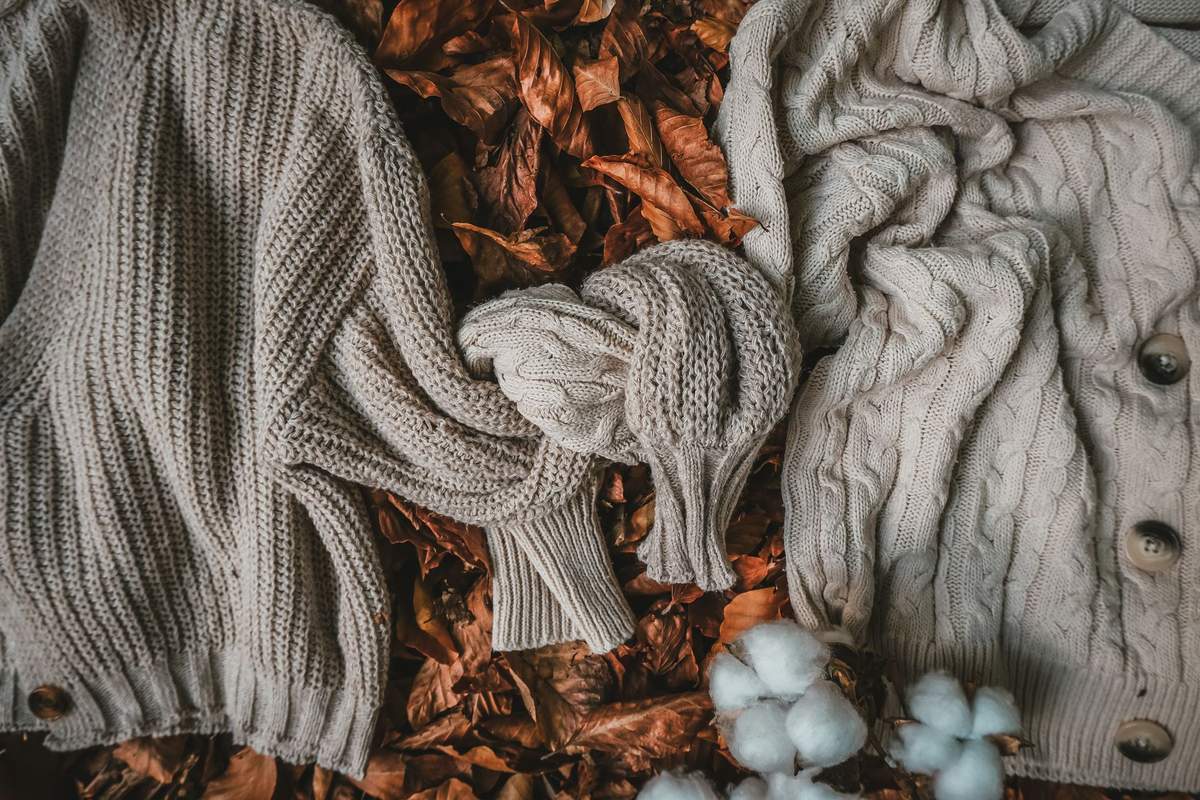
That is why a fine-gauge wool sweater can keep you warm under a coat without adding bulk. Choose fine knits for the middle, and keep chunky knitwear for days when the sweater is the outer layer.
Where each layer should end
A petite frame reads best when the main hems stop in a few places: at the hip, at the top of the thigh or just below the knee. Avoid ending a layer in the middle of the thigh or at the widest part of the calf. Use this table:
| Layer | Best length | If it is longer |
|---|---|---|
| Cardigan | Hip bone to upper thigh | Belt it or wear it open and straight |
| Short jacket or blazer | Top of the hip | Have the hem taken up by a tailor |
| Coat | Just above or just below the knee | Pick a belted style so the waist shows |
| Sweater under a jacket | Ends at or above the jacket hem | Tuck the front, leave the back out |
| Scarf | Folded once, ending at the waist | Loop it twice rather than letting it hang |
| Boots | Ankle height, or knee-high under a skirt | Match the boot color to the trousers |
On the belt, Wikipedia says the trench coat is belted at the waist with a self-belt.
The belt is the reason this coat suits short frames: it marks your waist and keeps the length from swallowing you. Any coat you buy can use the same idea if it is cut to the right length.
Sleeves: where the layers meet
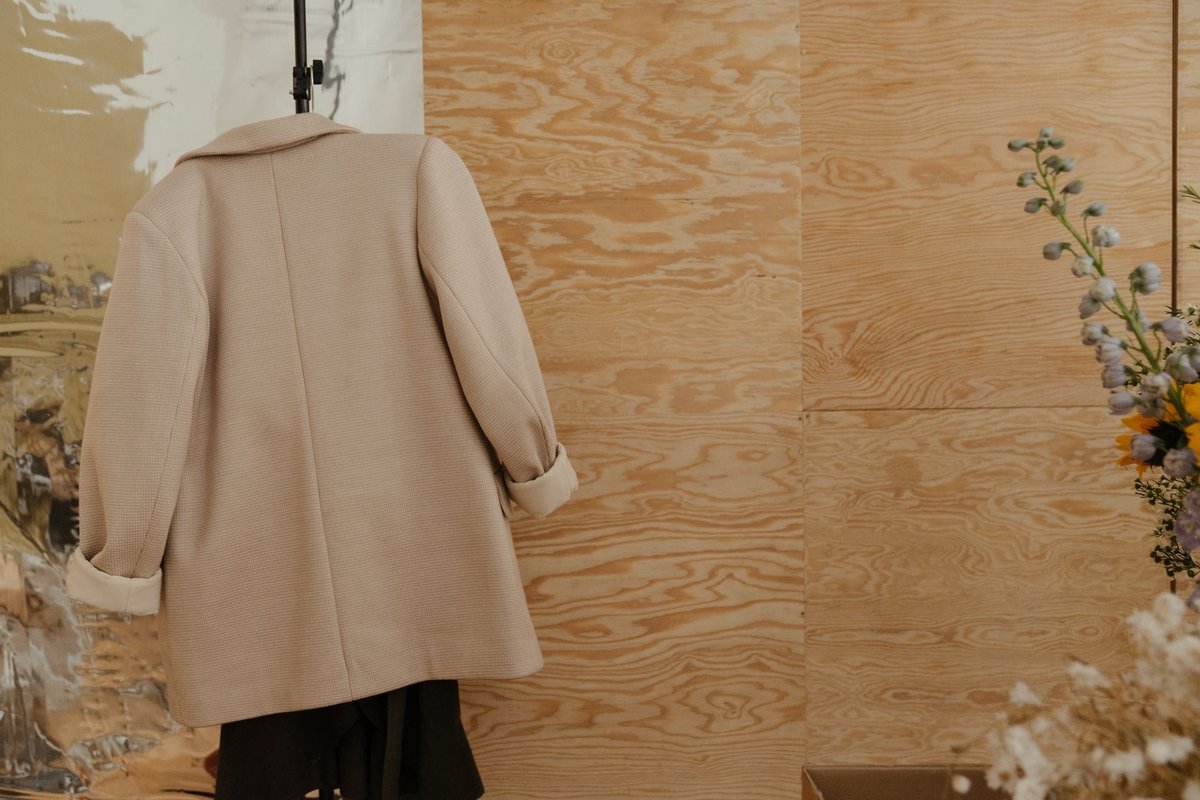
Stacked sleeves are where petite fall outfits go wrong. A sweater cuff that peeks out of a jacket sleeve is charming. Two cuffs that bunch up on top of each other are not. Try these:
- Choose a jacket sleeve that ends at the wrist bone, then a thin sweater cuff that ends a half inch earlier.
- Turn back one cuff of a long cardigan once. The turn should land at the wrist, not the forearm.
- Push three-quarter sleeves up to the elbow when a coat's lining is thick.
- If a sleeve is too long, have it shortened from the cuff, not the shoulder, which a tailor can do in a few minutes.
Check the size on the label with a tape
A petite shopper often buys by guessing, and fall coats are the most expensive guess. According to Wikipedia, there is no mandatory clothing size or labeling standard in the US.
So a petite small from one maker can be a petite medium from another. Before you pay, take your measuring tape and compare shoulder width, sleeve length and total length with the chart on the tag or the site.
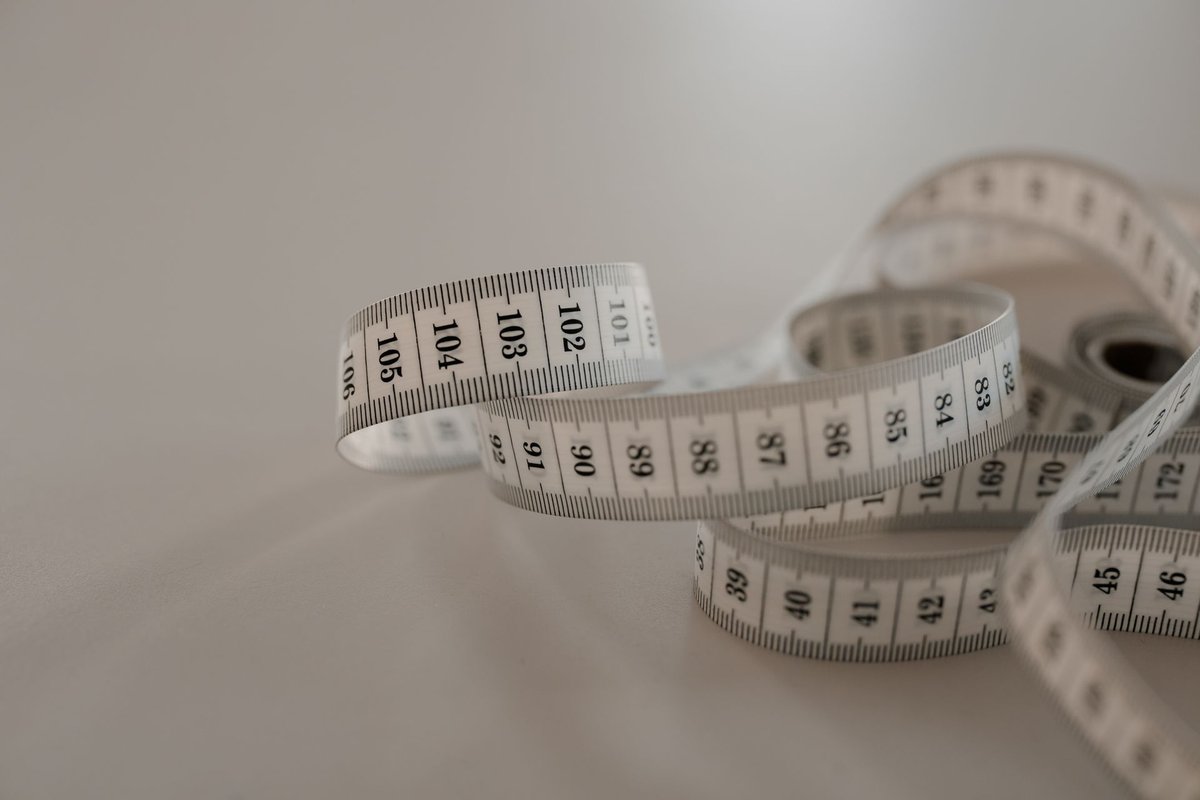
The fitting room check for fall layers
- Wear your thickest sweater into the fitting room when you try a coat. A coat that closes only over a thin top is too small.
- Reach test. Lift both arms in front of you. The coat should not pull across the back.
- Sit test. Sit down in the coat. The hem should not bunch above the knee.
- Shoulder seam. It should land on the point of your shoulder, not hang off the side.
- Walk test. Take ten steps. A coat that is too long will swing against your shins.
Need the full measuring list? The petite guide to hems and sleeves has a measuring list that works for any season.
Eight fall looks for a short frame
Every formula has three layers at most, and each one ends in a clear place.
- Errands in cool weather: long-sleeve tee + straight ankle jeans + short quilted jacket + white sneakers.
- Coffee with a friend: fine merino sweater + dark trousers + hip-length cardigan + loafers.
- Church on a cold morning: knit dress below the knee + belted coat + low ankle boots in the same color as the dress.
- Leaf-peeping drive: turtleneck + corduroy pants + cropped denim jacket + ankle boots.
- A day at a farmers market: plaid shirt tucked at the front + dark jeans + camel jacket + flats.
- Lunch out: silky blouse + straight trousers + short blazer + pointed flats.
- Dinner and a walk: midi skirt in a soft knit + fitted sweater + belted coat + knee-high boots that stop under the hem.
- Travel day: knit set in one color + long open cardigan + scarf looped once + slip-on shoes.
You will find a long list of boot shapes in outfits with boots for women over 50, and the classy fall layering guide pairs these shapes with blazers and scarves.
Skirt and dress lengths in fall
You do not need to wear one correct skirt length. Wikipedia says that since the 1970s there is no longer only one single fashionable skirt-length at a time.
That leaves the decision to you and your legs. For a petite frame, a hem just at or below the knee works well with ankle boots, while a hem at mid-calf needs a boot or a flat that does not cut the line at the ankle. Wear thin tights under a skirt for warmth, so you do not need extra thick layers on top.
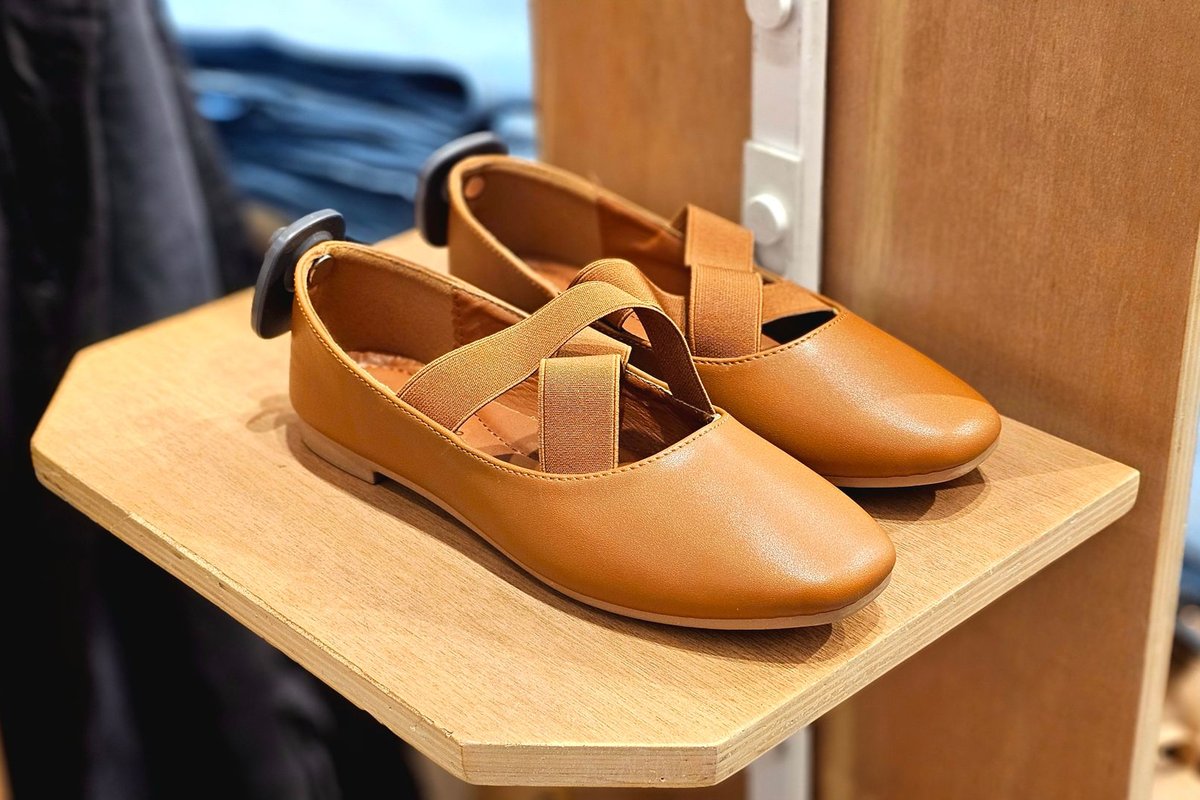
Scarves, bags and the small extras
Accessories scale with you. A big oversized bag can hit you at the hip and visually shorten the whole outfit, so choose a medium bag that sits at your waist or hip bone and has a strap you can adjust. For scarves, a fine wool or cotton blend drapes better than a thick knit, and a scarf that falls to your waist is long enough for any coat. Small earrings and one simple necklace at the collarbone are plenty over layers, because a heavy necklace will sit on a bulky knit and slide around.
Gloves and a hat can match your coat, so they quietly belong to the same outfit. Keep them thin, and tuck them into a pocket when you come indoors.
Mistakes to avoid
- Buying a coat that closes only over a tee. You will not wear it in November.
- Oversized coats worn for comfort. Extra fabric brings no extra warmth; a good lining does.
- A giant scarf at the neck. Fold it once and loop it, so your face stays the focus.
- Boots with a wide shaft under a straight trouser. Tuck in only a narrow leg, or let the trouser hem fall over a short boot.
- Layers that all end at the same point. Stagger them: coat longest, sweater next, shirt shortest.
For more by season, browse seasons and occasions.
Your next step
Put on the coat you wear most and stand in front of a mirror with your thickest sweater under it. Note where the hem ends and where the sleeve falls. That coat tells you which of the lengths above is yours, and it is your guide the next time you shop.